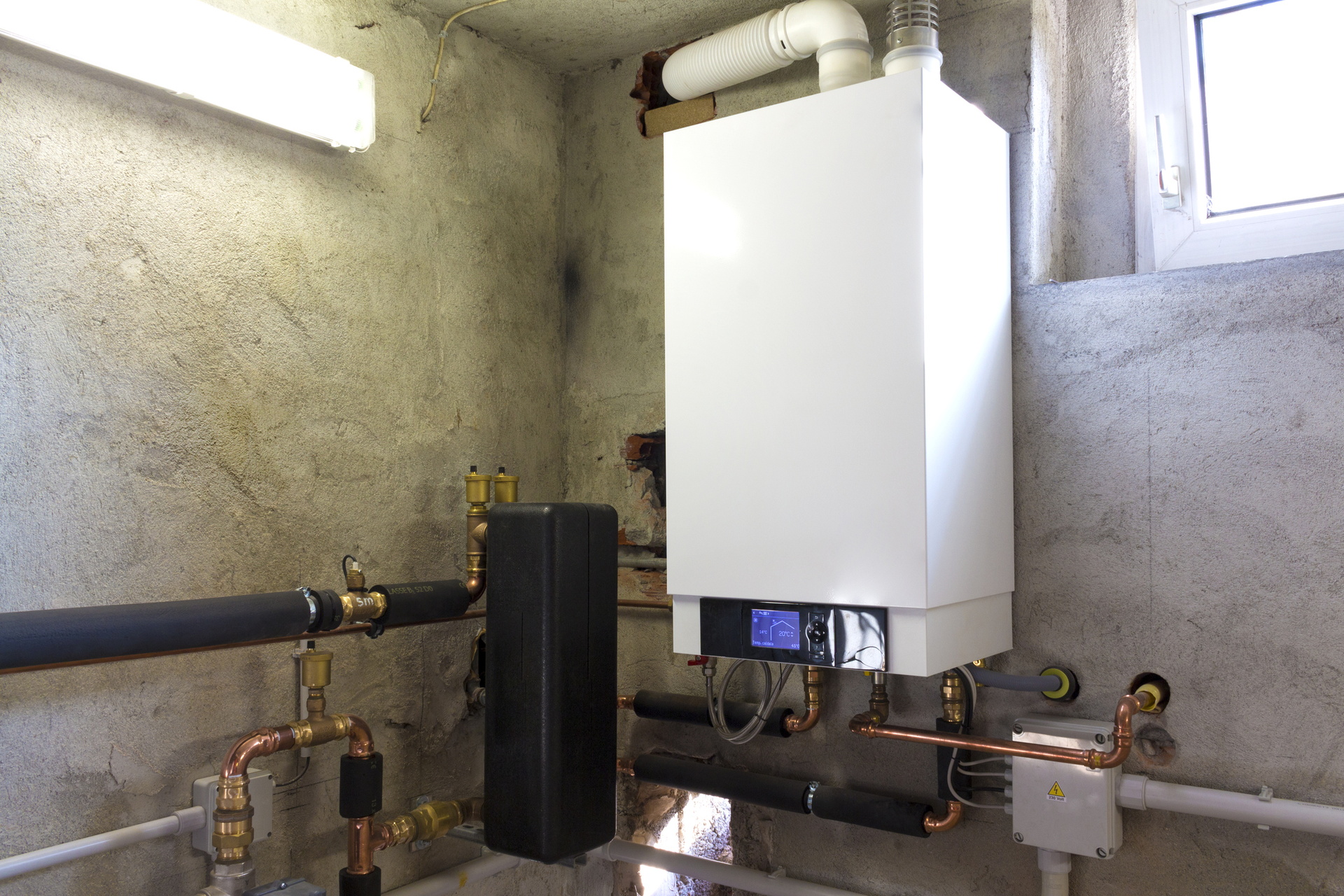
We’ve got good news about your home’s boiler! If you take good care of it, scheduling annual maintenance and prompt repairs as necessary, you can expect your boiler to outlast most other heating systems. Where gas furnaces and heat pumps usually last for about 15 years, boilers can last for over 20 and may even reach 30 years of effective service. This is one of the reasons people still invest in boilers for home heating: they provide an excellent return on investment.
But no boiler can last forever, and it’s better for you to recognize early signs that your home’s boiler is reaching the end of its lifespan. You don’t want to get trapped with a dead boiler in the middle of the winter, nor do you want to spend extra money to keep a boiler going when it should’ve gone to the recycling yard years earlier.
We’ll help you with our expert knowledge about boiler and water heater replacement in Rocky Mount, VA to detect the indications you need to replace your boiler.
When Should You Replace an Old Boiler?
You should consider replacing your boiler if you notice any of the following warning signs:
- The unit is 20 years old or more
- Frequent leaks from pipes or the boiler itself
- Rust or corrosion on the system components
- Uneven heating or cold spots in your home
- A steady increase in energy bills
These issues indicate your boiler is likely inefficient or at risk of failure, making replacement the smarter long-term choice.
The boiler’s age
Although a boiler that’s over 20 years old doesn’t automatically need a replacement, it’s a good point to start paying closer attention to it. Any of the other signs on this list become more serious the older the boiler is. We also strongly recommend replacing a 30-year-old boiler, as the chance of it failing suddenly or becoming prohibitively expensive to repair becomes much higher.
Leaks
A boiler can spring a leak at any point. When an older boiler starts to leak on a regular basis, it usually means the pipes and connections are too worn down with age to work effectively. If you notice leaking from the tank itself, this often means the boiler needs replacement right away.
Corrosion
Boilers are constructed to resist corrosion for most of their service lives, although lack of maintenance can cause corrosion to strike early. Extreme age can lead to corrosion in the system, so if you notice corrosion forming on boiler components, it’s time to get a new one.
Uneven or inferior heating
One major warning that a boiler is on its way out is when it can no longer meet the standard heating needs of a house. You might notice some rooms are getting warmer than others as the boiler struggles to evenly distribute enough heated water to all its terminal points. Or, your house in general may not be getting warm enough. If the boiler is old, these heating problems are a sign to invest in a new boiler.
Rising heating bills
Has the cost to heat your home during winter risen over the past few years? It might be due to an increase in energy costs or the need to run the heater for longer periods of time to accommodate more people in your home. If you can’t find a reason for the rise in heating costs, it might mean your boiler is losing efficiency.
Frequently Asked Questions
Question: What is the typical lifespan of a boiler before replacement should be considered?
Answer: Boilers can often last over 20 years with good maintenance, and some reach 30 years. However, once a boiler is about 20 years old, you should start watching for warning signs. For boilers over 30 years old, replacement is strongly recommended.
Question: What signs indicate that my boiler is leaking or corroded and needs replacement?
Answer: Persistent leaks from the tank or its connections, visible corrosion on the boiler body or heat exchanger, and rust stains are strong indicators that the boiler is failing and should be replaced.
Question: How do uneven heating or rising energy bills point to a failing boiler?
Answer: If some rooms feel much colder than others, or the boiler struggles to maintain warmth, it may no longer be distributing heat properly. Also, if your heating costs rise without a change in usage, it’s a sign your boiler is losing efficiency.
Question: When does it make more sense to replace rather than repair a failing boiler?
Answer: If repair bills begin to add up (especially exceeding around 50% of a replacement cost), or if parts are hard to source, it may be more economical and reliable to replace the unit entirely.
Question: Can strange noises or changes in operation signal a boiler replacement is needed?
Answer: Yes. Sounds like banging, gurgling, whistling, or frequent short cycling (turning on and off quickly) often point to internal faults or scale buildup. Repeated unusual behavior is a red flag that replacement may be due.
You don’t need to make the choice to replace your boiler on your own. Rely on the experts at W.C. Butler Heating and Air Conditioning.