Virginia’s winter weather can be unpredictable. While temperatures may be mild one week, sudden cold snaps can arrive quickly and put stress on both plumbing and HVAC systems. These rapid temperature drops increase the risk of frozen pipes and force heating equipment to work harder than usual. Taking proactive steps before and during cold weather helps protect your home, reduce system strain, and prevent costly repairs. With the right preparation, homeowners can stay comfortable and confident even when winter conditions intensify.
Why Cold Snaps Create Plumbing and HVAC Risks
Frozen pipes are one of the most common winter plumbing issues during sudden temperature drops. When water inside pipes freezes, it expands, creating pressure that can crack or burst pipes. Plumbing located near exterior walls, in crawl spaces, or in unheated areas is especially vulnerable.
At the same time, HVAC systems experience increased demand during cold snaps. Heating equipment must run longer to maintain indoor comfort, which can expose airflow restrictions or worn components.
Insulate Pipes Before Temperatures Drop
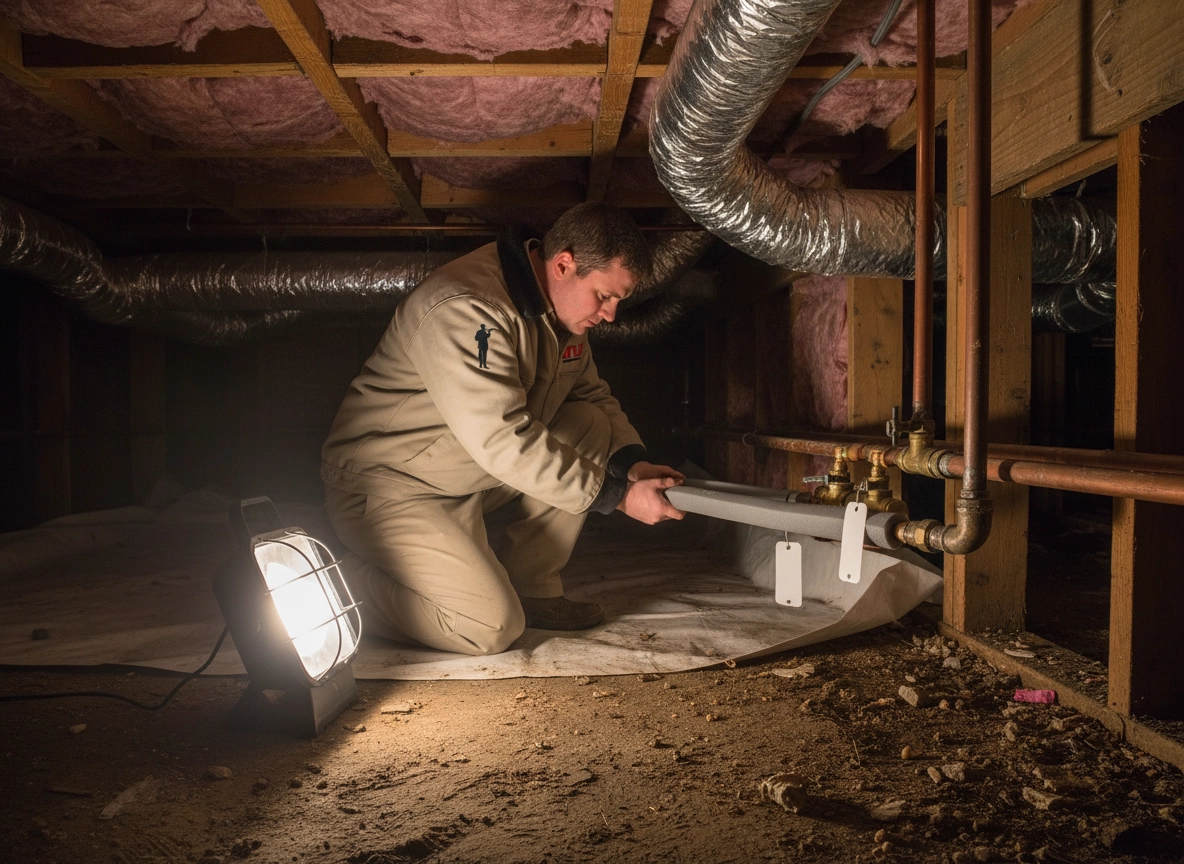
Proper insulation is one of the most effective ways to prevent frozen pipes. Pipes in basements, garages, attics, and under sinks should be checked for adequate insulation before cold weather sets in.
Sealing gaps or drafts near plumbing access points also helps keep cold air away from vulnerable pipes. Even small insulation improvements can significantly reduce the risk of freezing during Virginia’s colder nights.
Maintain Consistent Indoor Temperatures
Keeping indoor temperatures at appropriate levels during cold snaps helps protect both plumbing and HVAC systems. Allowing indoor temperatures to drop too low can expose pipes inside walls or floors to freezing conditions.
Consistent heating also reduces strain on HVAC equipment. Sudden temperature changes force systems to work harder, increasing wear on components. Set your thermostat at 68°F when you’re home and lower it to 60-67°F at night.
Prepare Outdoor Plumbing for Winter Conditions
Outdoor plumbing is often overlooked until a problem occurs. Disconnecting outdoor hoses and protecting exterior faucets helps prevent freezing that can extend into interior plumbing lines. Handling outdoor connections early in the season reduces the likelihood of unexpected leaks.
Reduce HVAC Strain with Preventive Maintenance
Cold snaps can reveal weaknesses in heating systems. A well-maintained HVAC system is better equipped to handle increased demand without excessive strain.
Professional maintenance includes inspecting components, checking airflow, and verifying system controls. Addressing minor issues before winter peaks helps prevent breakdowns and supports consistent heating performance.
Watch for Early Warning Signs
Both plumbing and HVAC systems often show warning signs before major issues occur. Reduced water pressure, unexplained moisture, or unusual sounds in pipes can signal developing problems.
On the HVAC side, uneven heating, longer run times, or unfamiliar noises may indicate the system is struggling under increased demand. Paying attention to these signs allows homeowners to act early and avoid more serious issues.
When to Call a Professional
While basic precautions can be handled by homeowners, some situations require professional expertise. Suspected frozen pipes, persistent leaks, or sudden changes in water pressure should be addressed promptly. HVAC issues such as inconsistent heating or frequent cycling during cold snaps should also be evaluated by a professional.
Contact W.C. Butler Heating and Air Conditioning today to schedule a professional inspection and stay ahead of winter’s toughest challenges.